

Lower back pain is common. Understanding it doesn’t have to be complicated.
If you’ve been asking yourself, “Why does my lower back hurt?”, you’re certainly not alone.
Lower back pain is one of the most common reasons people seek help from healthcare professionals. At Advance SRM Therapies in Clanfield, it’s one of the questions we hear almost every day from people across Horndean, Waterlooville, Petersfield, Havant and the surrounding Hampshire area.
For some people, the pain begins after lifting something heavy or spending a weekend gardening. For others, it appears after a long car journey, returning to the gym or simply waking up one morning. Sometimes there doesn’t seem to be an obvious cause at all.
That uncertainty can understandably be worrying.
Many people fear they’ve slipped a disc, trapped a nerve or caused permanent damage. Others assume it’s simply something they have to put up with because they’re getting older.
Fortunately, neither of those explanations is true for most people.
One of the first things we explain in clinic is that lower back pain is rarely caused by one single thing. More often, it’s the result of several contributing factors working together. Understanding those factors is often the first step towards reducing worry, improving confidence and deciding what to do next.
In this guide we’ll explore seven of the most common contributors to lower back pain, explain why symptoms can feel so different from one person to another and help you understand when it’s worth seeking professional advice.
1. Muscles and soft tissues
The muscles, tendons and connective tissues around your lower back work incredibly hard every single day.
Every time you bend to empty the dishwasher, carry shopping, lift a child, push the lawnmower, load the washing machine or simply stand upright, these tissues are working to support your spine and control movement.
Because they do so much, they’re one of the most common sources of lower back discomfort.
That doesn’t necessarily mean you’ve torn a muscle or suffered a significant injury.
More often, these tissues become irritated because the demands placed upon them have changed.
Perhaps you’ve spent the weekend decorating after months of office work. Maybe you’ve walked further than usual on holiday. You may have started a new exercise programme, tackled the garden for several hours or helped someone move house.
Sometimes it’s not one big event at all.
Instead, it’s several smaller increases in activity that gradually build up until your back lets you know it’s working harder than it’s used to.
When muscles and soft tissues become irritated, people commonly notice:
- stiffness when getting out of bed
- discomfort after sitting for a long time
- pain when bending forwards
- soreness when changing position
- symptoms that ease slightly once they’ve been moving for a few minutes
One thing we often notice in clinic is that people assume they’ve “pulled a muscle”.
Occasionally that’s true.
More often, the tissues have simply become more sensitive because they’ve been asked to do more than they were prepared for.
The encouraging news is that these tissues usually respond well to gradual movement, appropriate treatment where needed and allowing the body time to adapt.
2. The small joints in your spine
Your spine isn’t one solid structure.
It’s made up of a series of bones connected by small joints that allow you to bend, twist, reach and move freely throughout the day.
Like any other joint in the body, these joints can sometimes become stiff or irritated.
This may happen after prolonged sitting, repetitive twisting, spending long periods driving or simply because the joints haven’t been moving as much as usual.
People often describe this type of discomfort as a deep ache on one side of the lower back.
It may be more noticeable:
- when standing up after sitting
- turning over in bed
- twisting to reverse the car
- getting out of a chair
- during the first few minutes after getting up in the morning
As movement increases, many people find their back gradually loosens up.
One thing we frequently hear is:
“My back keeps clicking. Is something moving out of place?”
Fortunately, painless clicking is very common.
Joints naturally make noises as they move, just as knuckles sometimes click. On its own, this usually isn’t a sign that anything has slipped or become damaged.
Instead of focusing on noises, we tend to pay much closer attention to how your back behaves during everyday activities and whether certain movements consistently reproduce your symptoms.
3. Changes involving the spinal discs
Few parts of the body have received as much attention—or as many myths—as the spinal discs.
Your discs sit between the bones of your spine and act a little like shock absorbers. They help spread load, absorb forces and allow your back to move comfortably in many different directions.
Over the course of our lives, discs naturally change.
Just as our skin develops wrinkles and our hair changes colour, our discs also show age-related changes. In fact, many people with perfectly healthy backs have changes visible on MRI scans without experiencing any pain at all.
Sometimes, however, a disc can become irritated.
When this happens, people may notice pain when bending forwards, sitting for prolonged periods or lifting heavier objects.
If the irritated disc also affects a nearby nerve, symptoms may travel into the buttock or down the leg.
Many people describe this as a “slipped disc”.
While it’s a phrase that’s been used for decades, it isn’t actually a very accurate description. Discs don’t simply slip in and out of place.
This is one reason why a thorough assessment is so important.
A scan may provide useful information in some situations, but it rarely tells the whole story on its own. Understanding how your symptoms behave, what movements affect them and how your body responds.
4. Nerves and referred pain
Not all lower back pain stays in the back.
Sometimes the discomfort spreads into the buttock, hip or leg. Occasionally people experience tingling, numbness or altered sensation. This often leads to concerns that a nerve has been trapped or permanently damaged.
The reality is usually more reassuring.
The nerves that leave your lower back travel down into your legs, carrying messages between your brain and the muscles and skin below. If one of these nerves becomes irritated, you may experience symptoms anywhere along its path, rather than just where the irritation began.
This is why pain felt in the leg doesn’t always mean the problem is actually in the leg.
One of the best-known examples is sciatica. Sciatica describes symptoms caused by irritation of the sciatic nerve or the nerve roots that contribute to it. People often describe pain travelling from the lower back into the buttock and sometimes further down the leg.
However, not every pain in the buttock or leg is sciatica.
Muscles, joints and other soft tissues can also produce what we call referred pain. This is pain that is felt somewhere different from where it originates. For example, a joint in the lower back may produce discomfort into the buttock, while tight muscles around the pelvis can sometimes create symptoms that mimic nerve pain.
Understanding the pattern of your symptoms is therefore much more useful than trying to diagnose yourself based on where the pain is felt.
Questions we often ask include:
- Does the pain travel below the knee?
- Is there any numbness or tingling?
- Do you notice weakness in the foot or leg?
- What movements make the symptoms better or worse?
- How long have the symptoms been present?
These details help build a much clearer picture than location alone.
If you’re experiencing pain travelling into your leg, you may also find our guide to The Surprising Truth About Sciatica helpful, as it explains how sciatica differs from other common causes of leg pain.
5. Movement, lifestyle and everyday habits
One of the biggest myths surrounding back pain is that certain movements are “bad” for your back.
In reality, our backs are designed to move.
They bend.
They twist.
They lift.
They adapt remarkably well to the demands we place upon them.
Problems often arise not because movement is harmful, but because the amount, type or variety of movement has changed.
Think about what your typical week looks like.
Have you recently:
- started exercising after a long break?
- spent several hours gardening?
- driven hundreds of miles?
- been working longer hours at your desk?
- carried luggage while travelling?
- lifted grandchildren more often?
- completed a DIY project?
None of these activities are inherently harmful.
But if they represent a sudden increase in load compared with what your body has become accustomed to, your back may simply be letting you know it needs time to adapt.
Equally, doing very little movement for long periods can also leave the back feeling stiff and uncomfortable.
Many people notice this after long meetings, lengthy flights or evenings spent on the sofa.
One thing we often explain in clinic is that the body likes variety.
It’s rarely one specific posture that’s the problem.
More often, it’s staying in the same position for prolonged periods without giving your body opportunities to move.
Changing position regularly, breaking up long periods of sitting and gradually increasing activity are often more helpful than searching for the “perfect posture”.
6. Sleep, stress and recovery
This is one of the most overlooked aspects of back pain, yet it’s something we discuss regularly with clients.
Pain isn’t simply influenced by muscles, joints and nerves.
It’s also influenced by how well your body is recovering.
Poor sleep, increased stress, illness, emotional pressures and fatigue can all affect how sensitive your nervous system becomes.
That doesn’t mean your pain is imagined.
It means your body is working harder to cope with everything that’s happening.
Most people can relate to this.
Think about the last time you had several poor nights’ sleep or an exceptionally stressful week at work.
Perhaps your shoulders felt tighter than usual.
Maybe you developed a tension headache.
Your lower back may have become more uncomfortable, even though you hadn’t injured it.
This doesn’t happen because stress directly damages your spine.
Instead, stress can influence muscle tension, recovery, movement habits and the way your nervous system processes discomfort.
One thing we frequently notice is that clients experiencing persistent pain often have several contributing factors happening at the same time.
Perhaps they’re sleeping poorly because of discomfort.
They’re moving less because they’re worried about making things worse.
They’re becoming increasingly frustrated because the pain isn’t settling.
Each factor feeds into the next.
Recognising that bigger picture often helps people understand why recovery isn’t always as simple as finding one painful muscle or one stiff joint.
7. Previous injuries and protective movement
Have you ever noticed yourself moving differently because you’re worried about hurting your back again?
You’re certainly not alone.
Many people who have experienced back pain in the past become understandably cautious.
They avoid bending.
They stop lifting.
They brace their muscles before every movement.
Sometimes they stop doing activities they once enjoyed altogether.
While these behaviours usually come from a sensible desire to protect the back, they can occasionally have unintended consequences.
Avoiding movement for long periods can reduce confidence.
Muscles may become less conditioned.
Everyday activities begin to feel more difficult simply because they’re no longer familiar.
One thing we often notice in clinic is that people say:
“I’ve always had a weak back.”
When we explore their history, we often discover they recovered well from an episode years ago but have gradually lost confidence in using their back normally again.
Our aim isn’t simply to reduce discomfort.
It’s to help people rebuild confidence in movement.
Most backs are stronger than people realise.
With the right assessment, appropriate treatment and a gradual return to normal activities, many people discover they’re capable of far more than they expected.
From the Treatment Room
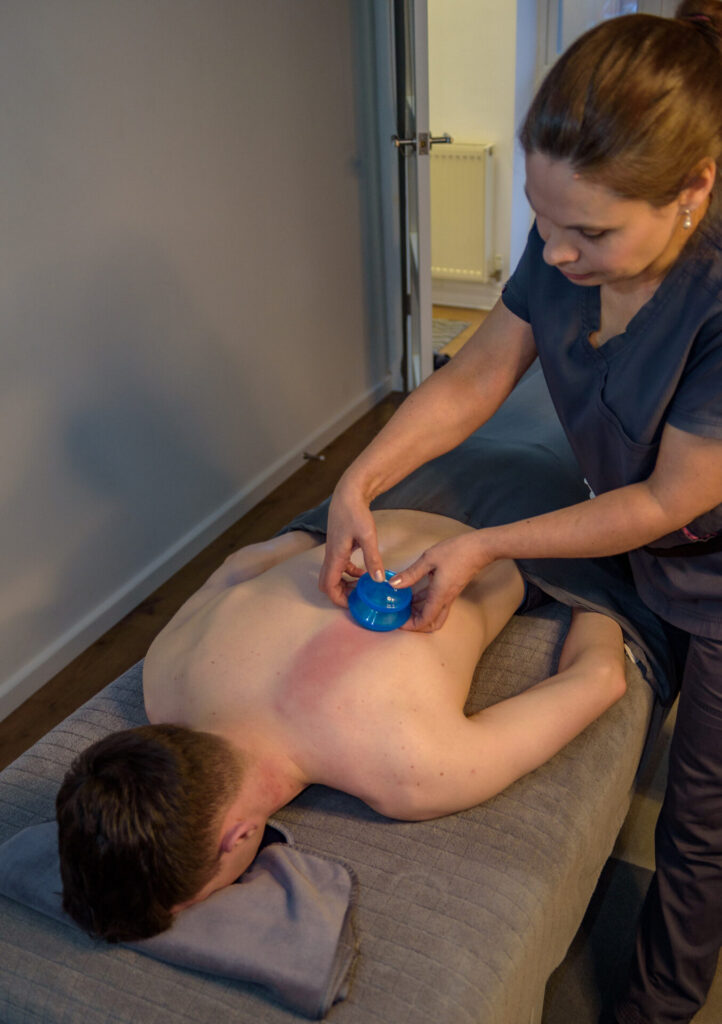
One of the most common conversations we have isn’t actually about the spine itself.
It’s about expectations.
Many people arrive convinced there must be one single explanation for their back pain.
They’re looking for the muscle.
The disc.
The joint.
In reality, that’s rarely what we find.
Far more often, the picture is made up of several smaller pieces.
A busy week at work.
A few nights of poor sleep.
A long drive.
Less movement than usual.
Some gardening at the weekend.
A previous episode of back pain that’s made someone understandably cautious.
Individually, none of those factors may be enough to cause a problem.
Together, however, they can be enough to make the back feel sore, stiff or more sensitive than usual.
That’s why we spend so much time listening before we begin treatment.
Understanding your story often tells us just as much as examining your back.
Once people understand why their symptoms may have developed, they often feel more confident about the road ahead.
Sometimes, understanding is the first and most important part of treatment.ime often provides far more meaningful information.
Why scans don’t always tell the whole story
It’s understandable to think that if your back hurts, a scan should show exactly what’s wrong.
After all, if you can see the problem, surely you can fix it.
The reality is a little more complicated.
Modern MRI scans are incredibly detailed, but they don’t always explain why someone is in pain.
In fact, research has shown that many people with no back pain whatsoever have changes visible on MRI scans, including disc bulges, disc degeneration and arthritic changes. These findings become increasingly common as we get older and are often a normal part of ageing rather than a sign of injury.
Think about wrinkles on your skin or grey hairs.
They tell us something about age, but they don’t necessarily cause problems.
The same principle often applies to the spine.
Equally, someone with significant back pain may have very little visible on a scan.
This doesn’t mean the pain isn’t real.
It simply reminds us that pain is influenced by many different factors, not just what appears on an image.
This is one of the reasons why we place so much emphasis on assessment.
Listening to your history, understanding how your symptoms behave, looking at movement and identifying the activities that aggravate or ease your pain often provides far more useful information than a scan on its own.
Scans certainly have an important place, particularly where serious pathology is suspected or when symptoms suggest further medical investigation is needed. However, for many people with uncomplicated lower back pain, a detailed clinical assessment is often the most valuable starting point.
Five practical things that may help
Every episode of lower back pain is different, so there isn’t a single solution that works for everyone. However, there are several simple approaches that many people find helpful while their symptoms settle.
1. Keep moving if you can
Years ago, complete bed rest was commonly recommended for back pain.
Today, we know that prolonged rest is rarely the most helpful approach for uncomplicated lower back pain.
Gentle movement helps maintain flexibility, keeps joints moving and encourages muscles to continue doing the job they were designed to do.
That doesn’t mean pushing through severe pain or ignoring your symptoms.
Instead, aim for comfortable movement that feels manageable. Short walks, changing position regularly and gentle daily activities are often more helpful than staying completely still.
2. Avoid the “boom and bust” cycle
One pattern we frequently see is that people rest for several days until they feel slightly better, then try to catch up on everything they’ve missed in one afternoon.
Unfortunately, the back often isn’t ready for that sudden increase in activity.
A steadier approach usually works better.
Gradually build your activity levels rather than trying to do everything at once.
Your back generally prefers consistency over extremes.
3. Change position regularly
There’s no such thing as the perfect posture that you need to maintain all day.
Whether you’re sitting at a desk, driving, standing in the kitchen or watching television, your body benefits from variety.
If you’ve been sitting for half an hour, stand up and walk around for a minute.
If you’ve been standing for a long time, sit down for a short break.
Small changes throughout the day often make a bigger difference than searching for the “perfect” position.
4. Pay attention to sleep and recovery
Your body carries out much of its repair and recovery while you sleep.
If pain is disturbing your sleep, or if you’ve been under unusual pressure recently, it’s worth recognising that this may be influencing how your back feels.
Looking after your overall wellbeing isn’t separate from managing back pain—it forms part of it.
5. Don’t struggle in silence
Many episodes of lower back pain improve with time.
However, if your symptoms aren’t settling, keep returning or are preventing you from doing the things you enjoy, seeking advice can help you understand what’s contributing to the problem.
Often, reassurance and a clear plan are just as valuable as hands-on treatment.
When should you seek urgent medical advice?
Fortunately, serious causes of lower back pain are uncommon.
However, there are occasions when urgent medical assessment is important.
Seek immediate medical advice if you experience:
- new problems controlling your bladder or bowels
- numbness around the saddle or groin area
- significant weakness developing in one or both legs
- severe pain following a significant fall or accident
- unexplained weight loss alongside persistent back pain
- fever, night sweats or feeling generally unwell with severe back pain
- a history of cancer together with new, persistent back pain that isn’t improving
These symptoms do not automatically mean something serious is happening, but they should always be assessed promptly by an appropriate healthcare professional.
Frequently Asked Questions
Why has my lower back pain come on for no apparent reason?
Although it can feel as though the pain appeared overnight, it’s often the result of several smaller factors building up over time. Changes in activity, prolonged sitting, poor sleep, stress or an increase in physical demands can all contribute without there being one obvious injury.
Is walking good for lower back pain?
For many people, gentle walking is a helpful way to keep the back moving without placing excessive strain on it. The key is to stay within comfortable limits and gradually increase activity as symptoms allow.
Should I rest if my back hurts?
Complete bed rest is rarely recommended for uncomplicated lower back pain. Gentle movement and gradually returning to normal daily activities is usually more helpful than avoiding movement altogether.
Do I need a scan for lower back pain?
Not necessarily.
Many people recover without ever needing imaging. Your healthcare professional will consider whether a scan is appropriate based on your symptoms, medical history and examination findings.
When should I consider an assessment?
If your pain isn’t improving after a few weeks, keeps returning, is affecting your work, sleep or hobbies, or you’re unsure what’s causing it, a detailed assessment can help identify the factors that may be contributing and guide the most appropriate next steps.
Understanding is the first step
Lower back pain can feel frustrating, especially when it’s stopping you doing the things that matter to you.
The important thing to remember is that pain doesn’t always mean you’ve caused serious damage.
More often, it’s your body’s way of letting you know that something has changed and that it may need a little support to recover.
Understanding those contributing factors is often the first step towards feeling more confident about moving again.
At Advance SRM Therapies, we believe that good treatment starts with good understanding.
That’s why every assessment begins by listening to your story, understanding your goals and looking at the bigger picture—not just where the pain happens to be.
If you’re experiencing lower back pain and would like help making sense of your symptoms, we’re here to help you understand what’s happening, explore the factors that may be contributing and work with you to develop a plan that’s tailored to you.
After all, our goal isn’t simply to treat your back.
It’s to help you move better, feel better and live better.
Key Takeaways
- Lower back pain is usually influenced by several contributing factors rather than one single cause.
- Muscles, joints, discs, nerves, movement habits, sleep and previous injuries can all play a role.
- Most lower back pain is not caused by serious damage.
- Gentle movement is usually more helpful than prolonged rest.
- A thorough assessment often provides more useful information than a scan alone.
- Understanding your symptoms can reduce worry and help you make informed decisions about your recovery.
- If symptoms persist, keep returning or are affecting your quality of life, it may be worth arranging an individual assessment.