Scar Tissue Therapy
What Scar Work Can Help With
We support clients with scars related to:
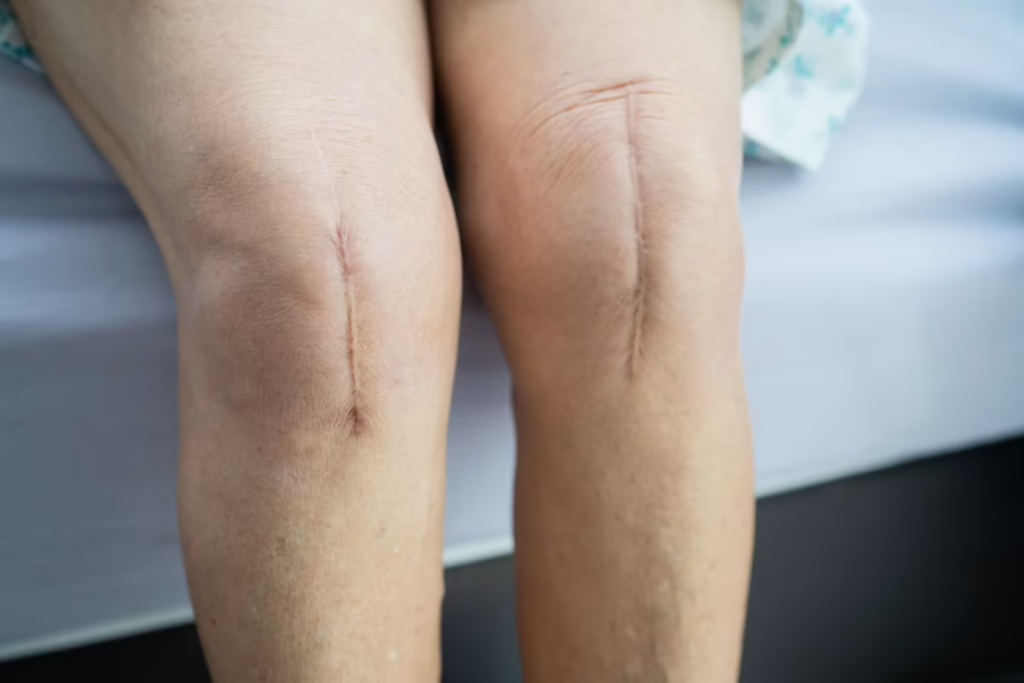
- C-section and caesarean scars
- Hysterectomy and gynaecological surgery
- Abdominal surgery (hernia repair, appendectomy, bowel surgery)
- Orthopaedic surgery (knee replacement, hip replacement, ACL reconstruction, spinal surgery)
- Cardiac and thoracic surgery (sternotomy, bypass, pacemaker insertion)
- Breast surgery (reduction, mastectomy, augmentation)
- Cosmetic and elective surgery (tummy tuck, liposuction)
- Keyhole (laparoscopic) surgery scars
- Biopsy, port, and drain site scars
- Burns, skin grafts, and trauma scars
- Injury, accident, or wound scars
- Amputation and residual limb scars
Even years after the initial healing, scar tissue can:
- Create pulling, tightness, or a feeling of restriction
- Alter posture, movement patterns, or range of motion
- Cause pain, numbness, tingling, or hypersensitivity
- Contribute to referred pain in other areas of the body
- Leave you feeling emotionally or physically disconnected from the area
What to Expect
Scar therapy is gentle and tailored. We always begin with a conversation, and move at a pace that feels safe and comfortable for you.
Treatment may include:
- Skilled hands-on work on and around the scar
- Techniques to encourage tissue mobility and softening
- Support for sensation, comfort, and movement
- In some cases, the use of LymphaTouch therapy, which uses carefully controlled negative pressure (gentle lifting of the tissue) to help improve circulation, reduce restriction, and support healthy tissue glide
We only introduce additional approaches where they are clinically appropriate and clearly explained.
Why Clients Trust Us
Many clients come to us after living with discomfort, restriction, or uncertainty about whether anything could help their scar. Some didn’t even realise scar therapy was an option.
At Advance SRM Therapies, we take the time to listen. We explain everything clearly and only work in ways you feel comfortable with – nothing happens without your say-so.
- Clinically aware and trauma-informed where needed
- Clear communication and full choice at every step
- Real understanding of how scars can affect the whole body
- Experience with complex health, surgical, and emotional histories
- Thoughtful use of advanced techniques when they can genuinely help
We don’t rush. We don’t assume. We take the time to understand you – not just the scar – and every session is shaped around your individual needs.
Scar Therapy Pricing
- Initial assessment + first treatment (60 min) from £120
- Follow-up sessions (30 or 60 min) from £75
- Recovery packages available.
faqs
Client's Questions Answered
How long after surgery or injury can I come for scar therapy?
Usually from 8–12 weeks after surgery or once your scar is fully closed and healed. If you’re unsure, feel free to get in touch and we can advise.
Is scar therapy painful?
No. Our approach is gentle, respectful, and never aggressive. Some techniques – including LymphaTouch – may create a sensation of lifting or pressure change, but intensity is always adjusted to your comfort.
Can you work on very old scars?
Yes. Scar therapy can be helpful even years or decades after healing. It’s never “too late” to work with tissue that feels stuck or tight.
Can I do anything at home to help my scar between sessions?
Yes – in some cases, we may suggest simple home support, such as using soft silicone suction cups. These can gently encourage tissue mobility and sensory awareness. If appropriate for your situation, we’ll guide you on safe use. You can find these in our shop.
Do you treat internal scars or adhesions?
No. We work externally and do not offer internal pelvic, visceral, or diagnostic treatment. We’re happy to refer or collaborate if needed.
Living with discomfort or tightness around a scar?
You don’t have to.
Our skilled, gentle scar therapy can help restore comfort, mobility, and ease – safely and respectfully.
How many sessions will I need?
It depends on your scar, how long ago it formed, and what you’re experiencing. Some clients feel a noticeable difference after 2–3 sessions. Others with more complex or long-standing scars benefit from a longer course. We’ll give you an honest picture after your first appointment – no pressure to commit to a set number.
Can scar therapy help with numbness or altered sensation?
Yes. Many clients come to us because the area around their scar feels numb, tingly, or hypersensitive. Scar therapy can help restore more normal sensation over time by encouraging the tissue to soften and the nervous system to recalibrate. It’s one of the most common things we treat.
Will you need to see or touch my scar directly?
We’ll always discuss this with you first. In many cases, we do work directly on and around the scar – but only with your full consent, at a pace you’re comfortable with. If you’d prefer to keep certain areas covered or start with work further from the scar itself, that’s completely fine. You’re always in control.
Can scar therapy help with emotional responses to my scar?
Scars can carry emotional weight – anxiety, self-consciousness, or even trauma responses. While we’re not counsellors, many clients tell us that as the tissue softens and sensation improves, their emotional relationship with the scar shifts too. We create a calm, unhurried space and will never push you beyond what feels right.
What's the difference between scar therapy and scar massage?
“Scar massage” usually refers to basic rubbing or moisturising techniques you might be given after surgery. Clinical scar therapy goes much further – we assess the tissue, identify restrictions, and use specialist manual techniques (and where appropriate, LymphaTouch®) to address deeper adhesions, sensitivity, and movement limitations. It’s a structured, clinical treatment, not a home routine.
Can I have scar therapy if I'm still under a consultant or surgeon?
Yes – and in many cases, scar therapy complements your ongoing medical care. We’re happy to work alongside your surgical team. If we think you need clearance before starting, we’ll let you know.
Is scar therapy just for visible scars?
No. Some of the most problematic scars are hidden – under clothing, in skin folds, or from keyhole surgery. If a scar is causing tightness, pulling, pain, or restriction, it doesn’t matter how small or invisible it looks. The tissue underneath is what we’re treating.
Can you treat scars from burns or skin grafts?
Yes. Burns and skin graft scars often develop significant tightness, sensitivity, and adhesion. We use gentle, adapted techniques to work with this tissue safely. Every session is paced to your comfort.
Do I need a referral from my GP or surgeon?
No. You can book directly. However, if your scar is very recent (under 8 weeks) or you’re currently undergoing treatment, we may suggest checking with your medical team first.